Scent, Color, and Comfort: How 'Cozy' Casino Environments Are Quietly Picking Your Pocket
Walk into a chocolate-themed casino — or even browse one of the increasingly popular cocoa-branded online gaming platforms — and something shifts almost immediately. The colors feel warm. The vibe feels familiar. Your shoulders drop about half an inch. You think, this is a fun place to spend a little time.
That reaction isn't an accident. It's the product of years of behavioral research, sensory design, and some genuinely clever psychological engineering. And if you're not aware of what's happening, it can cost you real money.
The Science of 'Comfortable' Gambling Spaces
Behavioral economists have spent decades studying what makes people stay longer in commercial environments — casinos, retail stores, restaurants. The findings are pretty consistent: comfort breeds complacency, and complacency is expensive.
Dr. Alan Hirsch, a neurologist and founder of the Smell & Taste Treatment and Research Foundation in Chicago, conducted landmark research showing that ambient scent directly influences spending behavior. In one study, gamblers in a Las Vegas casino spent significantly more money in a floral-scented environment than in an unscented one — not because the games were different, but because the sensory environment lowered their psychological resistance.
Now apply that same logic to chocolate-themed spaces. Cocoa aromas are deeply tied to emotional memory for most Americans. We associate them with warmth, safety, childhood, celebration. When a casino pipes in that scent — or an online platform uses visual cues like rich browns, warm golds, and soft cream tones — it's deliberately borrowing those emotional associations to make you feel at ease in an environment where staying alert is actually in your best financial interest.
Color Psychology Isn't Subtle — Once You Know What to Look For
Design-forward casinos (and their digital counterparts) lean heavily on color theory. Cool blues and greens create alertness. Warm reds, oranges, and browns do the opposite — they slow your perception of time and signal 'stay awhile.'
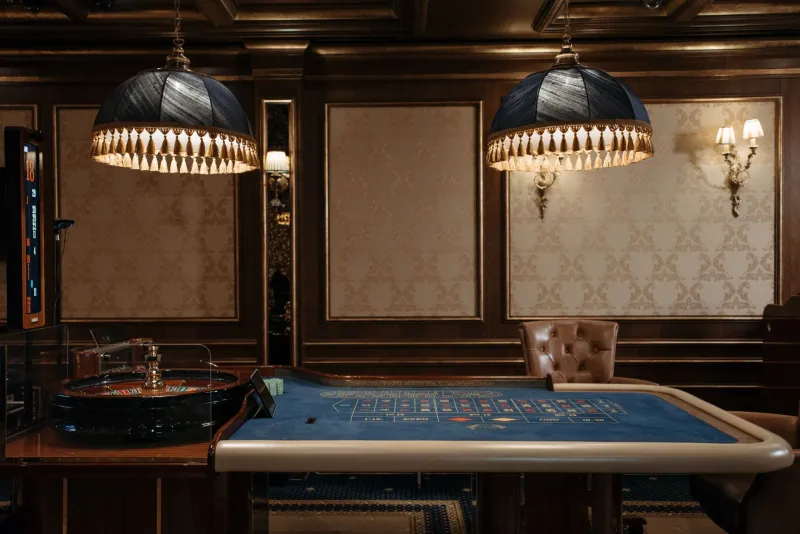
Chocolate-themed venues almost universally default to that warm palette. Deep mahogany tones, amber lighting, cream and caramel accents. It reads as luxurious and inviting. What it's also doing, from a physiological standpoint, is subtly suppressing the internal alarm bells that might otherwise tell you it's been two hours and you're down $80.
Former casino floor designer Marcus Reilly — who spent over a decade working with major resort properties before transitioning to hospitality consulting — describes the approach bluntly: "The goal of any casino environment is to eliminate friction. Not just physical friction, like confusing layouts, but mental friction. Anything that makes a player pause and reconsider is bad for the house. Comfort design removes those pauses."
Chocolate theming, he explains, is particularly effective because it targets a demographic that might otherwise feel out of place in a more traditionally glamorous casino setting. It's accessible. It feels like a treat rather than a risk.
Time Distortion Is a Real Thing — And It's Being Used Against You
One of the most well-documented phenomena in casino design is temporal distortion — the way certain environments make time feel like it's moving faster or slower than it actually is. Traditional brick-and-mortar casinos famously remove clocks and natural light to achieve this. But sensory marketing takes it further.
Research published in the Journal of Retailing and Consumer Services found that pleasant ambient scent significantly reduced customers' perception of time spent in an environment. In practical terms: you think you've been at the slots for 45 minutes. You've been there for two hours.
For online platforms, the effect is replicated through UX design. Warm-toned interfaces, soothing background audio, smooth animations — all of it is calibrated to reduce the cognitive friction that would normally prompt you to check the clock or reconsider your next bet.
This isn't conspiracy-level stuff. It's documented design practice. And knowing it exists is the first step to not being a victim of it.
Practical Defense Strategies for Real Players
So what do you actually do with this information? A few things that work:
Set a hard time limit before you start. Not a vague "I'll play for a while" — an actual alarm on your phone. When it goes off, you stop. The sensory environment you're in is specifically designed to make time feel elastic. An external timer cuts through that.
Use session limits on online platforms. Most reputable US-facing online casinos have built-in session limit tools in their responsible gaming settings. Set them. A $50 deposit limit and a 60-minute session cap is harder to override than willpower alone when you're two hours deep in a cozy, cocoa-colored interface.
Check your balance at fixed intervals — not just when you feel like it. Your emotional state in a comfort-designed environment is not a reliable indicator of your financial state. Commit to checking your actual balance every 20 minutes, regardless of how you feel about the session.
Notice the design. This sounds too simple, but it genuinely works. When you become consciously aware that the warm colors and pleasant scents are intentional — that someone designed this space to lower your guard — your critical thinking engages. You're no longer just a player in a cozy room. You're a consumer making deliberate choices inside a system built to extract money from you.
Take physical breaks. Step away from the screen or the floor. Get water. Go outside for five minutes. Breaking the sensory immersion resets your perception of time and gives your prefrontal cortex — the part of your brain responsible for rational decision-making — a chance to catch up with the emotional state the environment has been cultivating.
The Bottom Line
Chocolate-themed casinos and gaming platforms are genuinely fun. The aesthetic is appealing, the vibe is inviting, and there's nothing inherently wrong with enjoying an environment that feels warm and comfortable. But fun and smart aren't mutually exclusive — they just require a little extra awareness.
The same design principles that make these spaces feel like a treat are actively working to extend your session length and increase your spend. Understanding that dynamic doesn't mean you can't enjoy the experience. It means you can enjoy it on your terms, with your bankroll intact.
Because at the end of the day, the coziest outcome is walking away ahead.