Paying for the Vibe: How Fancy Casino Themes Are Quietly Hiking Your House Edge
There's something undeniably seductive about walking into a casino that smells like cocoa, looks like a Willy Wonka fever dream, and makes you feel like you've stumbled into somewhere genuinely special. The velvet ropes, the moody lighting, the chocolate-dipped aesthetic — it all signals one thing: this place is different.
But here's the thing. Different doesn't always mean better. And in the world of casino gaming, "premium" branding has a funny way of showing up in your losses long before it shows up in your wins.
The Luxury Casino Playbook
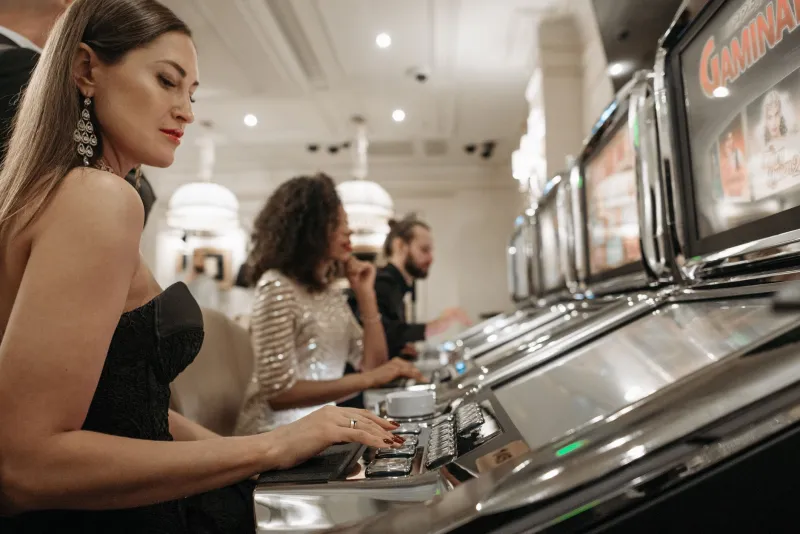
Casino operators have known for decades that environment shapes behavior. It's not an accident that high-end gaming venues invest millions in interior design, scent marketing, and curated playlists. The goal is to create a psychological state where players feel relaxed, upscale, and — crucially — willing to spend more than they originally planned.
Chocolate-themed casinos are a particularly clever evolution of this formula. The branding taps into feelings of indulgence and reward. You're not just gambling; you're treating yourself. That mental reframe is incredibly powerful, and casino operators know it. When you already feel like you're splurging on an experience, spending an extra $25 on a minimum bet doesn't feel like a big deal. It feels like part of the package.
Except it absolutely is a big deal, especially over a long session.
Minimum Bets: Where the Premium Markup Really Hits
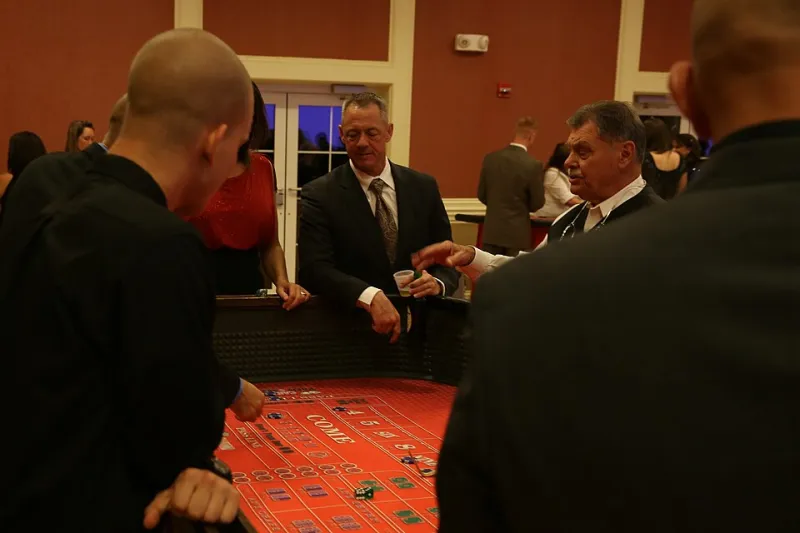
One of the most direct ways luxury-branded casinos extract more from players is through elevated table minimums. A standard blackjack table at a mid-tier Vegas casino might open at $10 or $15. Walk into a boutique, theme-heavy property — especially one leaning into a high-end concept like artisan chocolate or luxury confections — and that floor minimum can jump to $25, $50, or higher on weekends.
This matters more than most casual players realize. Higher minimums mean your bankroll evaporates faster, even when the house edge percentage stays identical. If you're playing blackjack with a 0.5% house edge (assuming solid basic strategy), that edge applies to every dollar you wager. At $15 a hand versus $50 a hand, you're burning through your session budget roughly three times faster at the premium table — for the exact same mathematical disadvantage.
The ambiance didn't change the math. It just changed how quickly the math catches up with you.
Are the Odds Actually Worse at Themed Venues?
Sometimes, yes — though it's rarely advertised.
House edge manipulation is subtle. A themed casino might offer blackjack that pays 6:5 on a natural instead of the standard 3:2. That single rule change bumps the house edge from roughly 0.5% to nearly 2% — a massive difference that most players never notice because they're too busy admiring the décor. Similarly, slot machines in premium venues can be programmed with lower RTPs (return-to-player percentages) than comparable machines at budget-friendly casinos.
In regulated US markets, casinos are required to disclose certain information, but they're rarely obligated to make it easy to find. You'd have to dig into the fine print of a gaming commission report to compare RTP ranges across properties — and most players on a fun night out aren't doing that homework.
The themed environment creates a comfort zone that discourages scrutiny. If everything feels luxurious and curated, you're less likely to question whether the games themselves are offering fair value.
The Psychology of Paying for Atmosphere
Here's a question worth sitting with: when you pay more to eat at a fancy restaurant, you're usually getting better ingredients, more skilled preparation, and a genuinely superior product. What exactly are you getting extra at a premium casino?
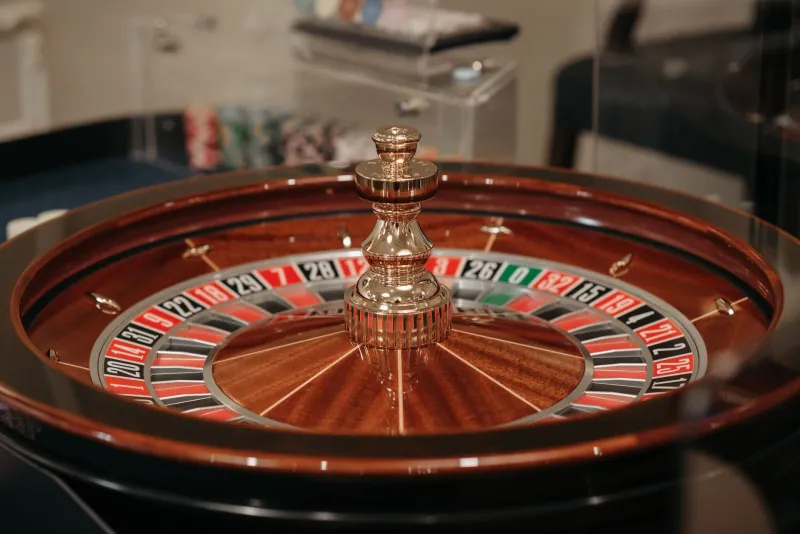
The games themselves — blackjack, roulette, slots, poker — are the same games you'd find anywhere else. The rules of roulette don't change because the wheel is surrounded by gold leaf and chocolate-brown leather. The random number generator in a slot machine doesn't care whether the cabinet is designed to look like a truffle box.
What you're paying for is the feeling of the experience. And feelings, while real and valuable in their own way, don't show up on your payout slip.
Research in behavioral economics consistently shows that people assign higher perceived value to products and experiences presented in upscale packaging. Wine tastes better when it's expensive. Food is more satisfying on a beautiful plate. And casino gaming feels more exciting — more worth it — in a gorgeous, immersive environment. Casino designers bank on this effect, literally.
How to Protect Your Bankroll Without Skipping the Fun
None of this means you should avoid themed casinos altogether. If you genuinely enjoy the atmosphere and you're treating it as entertainment spending, that's a completely valid choice. But going in with clear eyes makes a real difference.
Check the table rules before you sit down. Look specifically at blackjack payout ratios (you want 3:2, not 6:5) and whether the dealer hits or stands on soft 17. These small rule variations add up significantly over a session.
Set a stricter budget for premium venues. If you'd normally bring $200 to a standard casino night, consider dropping that to $150 at a higher-minimum property. The faster pace of higher-stakes play means your session budget needs to account for the accelerated burn rate.
Don't let the vibe lower your guard. Luxury environments are specifically designed to make you feel comfortable spending more. Recognizing that manipulation doesn't ruin the fun — it just keeps you in control of it.
Compare slot RTPs when possible. Some gaming jurisdictions publish average RTP ranges by casino. It takes five minutes of research before your trip and can tell you a lot about whether a venue is competitive or coasting on its reputation.
The Bottom Line
Chocolate-themed casinos and luxury gaming venues offer something real: a more immersive, aesthetically pleasing experience that genuinely enhances the entertainment factor for a lot of players. There's nothing wrong with valuing that.
But the premium experience ends at the décor. The math inside those beautiful walls is the same math — or sometimes worse math — than what you'd find at a no-frills gaming hall across town. Paying more for the ambiance is a personal choice. Paying more without realizing it because the pretty packaging lowered your defenses? That's the real cost of the vibe.
Smart players enjoy the atmosphere and respect the odds. Know what you're walking into, set your limits before the chocolate smell gets to you, and remember: the house always has an edge — but it doesn't have to have yours too.