Casino Comps Are Shrinking — Here's How to Fight Back and Still Get Your Money's Worth
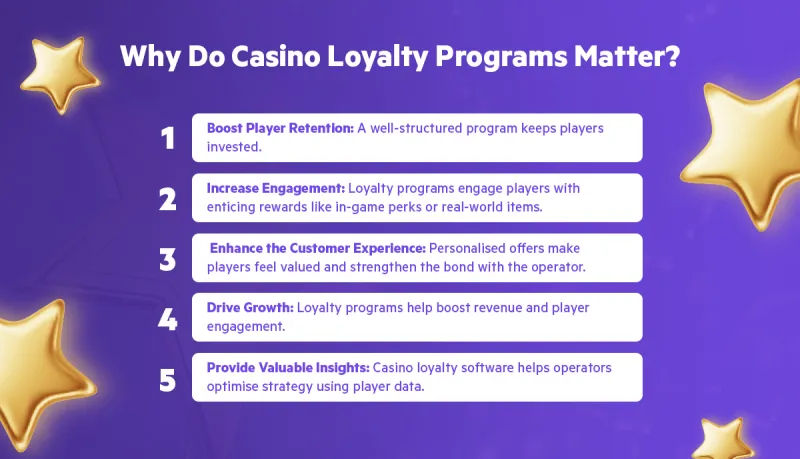
Photo: casino loyalty card rewards program player at casino desk, via everymatrix.com
There was a time when walking into a Las Vegas casino with a player's card meant something. Free rooms, buffet passes, show tickets — the whole hospitality machine was greased to keep you comfortable and coming back. These days, that machine is running a little dry.
Across the US, from the Strip to regional riverboat casinos in the Midwest, the value of complimentary offerings has been quietly deflating. It's not a dramatic announcement. Nobody sends you a letter saying "Hey, your free drinks just got 40% less free." It just kind of... happens. And if you're not paying attention, you might not notice until you're standing at a host desk wondering why your Platinum status only got you a discount on parking.
So what's actually going on, and more importantly, what can you do about it?
The Quiet Comp Compression
Post-pandemic, casino operators faced a brutal combination of rising labor costs, supply chain disruptions, and a guest base that had gotten used to doing things digitally. The easiest lever to pull? Reduce the cost of the comp program without reducing its appearance of value.
Here's how that plays out in practice:
- Free drinks still exist, but cocktail waitress rounds are slower and some casinos have moved to self-serve kiosks in lower-traffic areas, reducing the social experience that made those drinks feel like a perk.
- Tier thresholds have crept upward at several major chains. What earned you Gold status two years ago might only qualify you for the entry tier today.
- Point-to-dollar conversion rates have been quietly adjusted. A comp dollar that used to take 250 points to earn might now cost you 400.
- Room comps are increasingly replaced with "discounted rates" — technically a comp, technically not.
A 2023 analysis by gaming industry researchers found that the average comp return rate at US commercial casinos had dropped to somewhere between 0.1% and 0.3% of total play for most casual players. That means for every $1,000 you run through a machine or table, you're getting back roughly $1 to $3 in real comp value. For reference, that figure was closer to 0.5% or higher at many properties just five years ago.
Which Casinos Are Still Delivering?
Not every property has gone the comp-compression route. Regional casinos — particularly those competing hard for local market share — often offer better real-world returns than their mega-resort counterparts.
A few patterns worth knowing:
Tribal casinos in competitive markets (think Oklahoma, Washington state, or parts of California) frequently maintain more generous comp structures because they're fighting for the same pool of local players. If there are three casinos within 30 miles of each other, you'll often find that each one is trying to outdo the others on loyalty perks.
Smaller regional properties in states like Mississippi, Iowa, or Louisiana tend to offer higher comp return rates for slot play specifically, because slots are their primary revenue driver and keeping those players happy is essential.
Downtown Las Vegas vs. the Strip — this one surprises people. Properties like the Plaza, El Cortez, and the Four Queens have historically offered better comp value per dollar played than their flashier Strip cousins, simply because their operating costs are lower and their player base is more price-sensitive.
The mega-resorts — your MGM Grand, Caesars Palace, Wynn — have the brand power to attract visitors regardless of comp generosity. They know it, and their programs reflect it.
How to Actually Negotiate Better Comps
Here's something most casual players don't realize: comps are negotiable. Not always, not everywhere, but more often than you'd think.
Talk to a host, not the desk. Player services reps at the front desk are working from a script. A casino host has actual discretion. If you're a regular at a property, ask to be assigned a host. That relationship is where the real comp conversations happen.
Know your theo before you walk in. Your "theoretical loss" — what the casino expects to make from your play based on your average bet, speed of play, and hours — is the number they're using to calculate your comp eligibility. If you know roughly what your theo is, you can make a more informed ask. Saying "I played six hours of $10-a-hand blackjack yesterday" gives a host something concrete to work with.
Ask for the specific thing you want. Vague requests get vague answers. "Can I get a room comped for Saturday?" is a much better ask than "What can I get?" Be direct. Hosts generally respect players who know what they want.
Consolidate your play. Spreading action across four different casinos means you're building thin relationships everywhere. Pick one or two properties, concentrate your play there, and let your history build. A player who visits one casino 20 times a year is worth more to that property than someone who shows up twice.
Leverage competition. If a competing casino has offered you a better deal — a free room, a dining credit, whatever — it's completely fair to mention that to your host. You don't have to be aggressive about it. A simple "I've been getting offers from [competitor] and I'd really rather stay loyal to you guys" opens a conversation.
The Drinks Situation Deserves Its Own Mention
Free alcohol at casinos is a cultural institution in the US — and it's one of the most visibly degraded perks in recent years. Slower service is the most common complaint, but some players have also noticed that well liquor has replaced mid-shelf options at certain properties, and that the "free" drinks come with an increasingly obvious expectation of tipping that effectively turns them into a paid service anyway.
If drink service matters to you, look for casinos that still staff their floors generously with cocktail waitresses, particularly during peak hours. This is more common at regional properties and older Vegas venues than at newer mega-resorts that have leaned into self-service models.
Bottom Line: Be a Smarter Comp Consumer
The era of casinos throwing perks at anyone with a player's card is fading. That doesn't mean comps are dead — it means you have to be more intentional about pursuing them.
Do your homework before you visit a new property. Check current player reviews on forums and community sites to get a real-world read on comp generosity. Build genuine relationships with hosts at your preferred venues. Know your play history and don't be shy about advocating for yourself.
The casinos are running a tighter ship. There's no reason you can't tighten up your strategy in response.