Casino Loyalty Programs Decoded: Do the Points Ever Actually Pay Off?

Photo: casino loyalty rewards card points program, via legendsbaycasino.com
Every major online and land-based casino in the US has one: a shiny loyalty program dressed up with catchy branding, glittering tier names, and the promise that the more you play, the more you get back. Some platforms even sweeten the deal with chocolate-box imagery and indulgent reward metaphors — because who doesn't love the idea of getting something for free?
But here at Cocoa Casino, we believe smart gaming starts with reading the label. So let's unwrap the actual math behind casino loyalty programs and figure out whether they're genuinely player-friendly or just a clever way to keep you at the tables longer.
How Loyalty Programs Actually Work
At their core, casino loyalty programs are straightforward: you wager money, you earn points, you redeem those points for cash, free play, hotel stays, or other perks. The more you bet, the faster you climb through tiers — Silver, Gold, Platinum, Diamond, whatever the casino calls them.
What casinos don't advertise quite as loudly is the earn rate — how many points you accumulate per dollar wagered — and the redemption rate — what those points are actually worth when you cash them in.
A typical online casino might offer 1 point per $10 wagered, with 100 points converting to $1 in bonus credit. Run that math and you're looking at a 0.1% return rate on your total wagers. Some programs are more generous, hitting 0.3% to 0.5%, but it's rare to see anything above that unless you're already a high-volume player.
For context: a standard slot machine carries a house edge somewhere between 2% and 10%. That loyalty rebate of 0.1% to 0.5% is a tiny band-aid on a much larger wound.
The Tier Trap: Why Chasing Status Can Backfire
Here's where loyalty programs get psychologically interesting. Tier systems are designed to create a sense of progress — and that feeling of almost reaching the next level is a powerful motivator. Sound familiar? It should. It's the same mechanism that keeps people spinning through near-misses on slots.
Let's say you're 5,000 points away from hitting Gold status, which unlocks a slightly better earn rate and a monthly free play bonus. To hit that tier, you might need to wager an additional $2,000 to $5,000, depending on the program. The free play bonus might be worth $25.
Do the math: you've potentially exposed yourself to thousands of dollars in additional house-edge risk to claim a $25 reward. That's not a deal — that's a nudge.
The real value proposition of loyalty tiers only starts making sense at the very top levels, where high rollers receive genuinely meaningful comps: cashback percentages, dedicated account managers, and real cash bonuses. For the average casual player grinding through lower tiers, the ROI is slim.
What Comps Are Really Worth
Comps — complimentary perks like free hotel rooms, buffets, show tickets, or resort credits — are the glamorous side of loyalty programs, especially in Las Vegas or Atlantic City. They feel like winning. They feel like the casino is treating you.
But here's the honest reality: casinos budget comps as a marketing expense, not a charitable act. They know exactly how much you've wagered, how much edge they've collected from you, and they calibrate comps to return a fraction of that — typically 10% to 40% of their estimated theoretical win from your play.
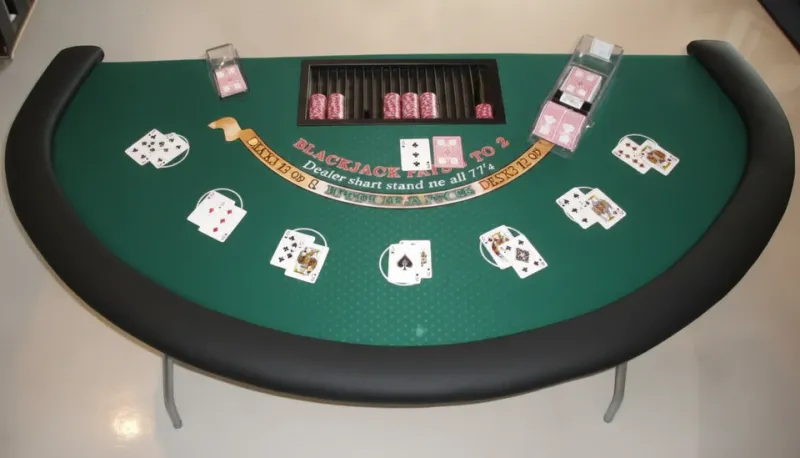
If you've lost $500 at the blackjack table over a weekend, getting a $75 dinner comp feels great. But you're still down $425. The comp didn't change your outcome — it just softened the memory of it.
When Loyalty Programs Actually Help Your Bottom Line
This isn't a takedown of loyalty programs across the board. There are real scenarios where they add genuine value:
- Low house-edge games with high earn rates. If you're playing blackjack with basic strategy (house edge under 0.5%) at a casino that offers a 0.4% loyalty rebate, you're nearly playing even. That's legitimately favorable.
- Sign-up bonuses and welcome tiers. Many programs offer accelerated points or elevated tier status just for joining. Capturing that upfront value without dramatically increasing your play volume is smart.
- Free play offers with low wagering requirements. Some programs issue free play credits that convert to real cash with minimal strings attached. These are worth claiming.
- Players who were going to play anyway. If you're a regular who enjoys a set session budget each month, choosing a casino with a strong loyalty program costs you nothing extra and returns a small percentage. That's a win.
How to Evaluate Any Loyalty Program Before You Commit
Before you sign up for a rewards program — or before you grind toward a new tier — ask these questions:
- What's the earn rate? How many points per dollar wagered?
- What's the redemption rate? What is one point actually worth in cash or credit?
- What games count toward points? Many programs award fewer points (or none) for low-edge games like video poker or blackjack.
- Do points expire? Expiration windows can erase months of slow accumulation.
- What does the next tier actually unlock? Is the upgrade meaningful, or just a badge?
If a casino won't publish clear answers to those questions, treat that opacity as a red flag.
The Bottom Line
Casino loyalty programs aren't scams — but they're not pure gifts, either. They're carefully engineered systems designed to reward consistent play volume, which naturally benefits the casino as much as (or more than) the player.
For casual players, the best approach is to pick a program you'd naturally qualify for through normal play, capture the welcome benefits, and never let tier-chasing push you beyond your planned session budget. The points are a nice bonus. They should never be the reason you're playing.
Smart gaming means understanding the full picture — and now you've got it.