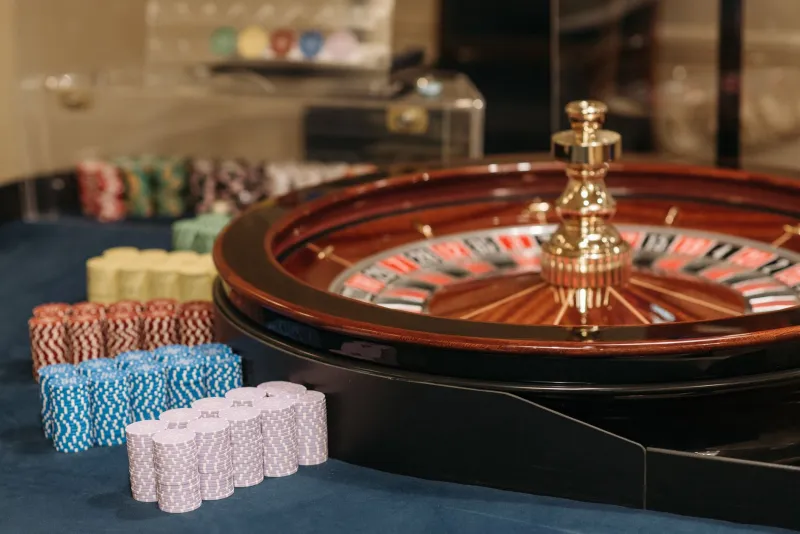
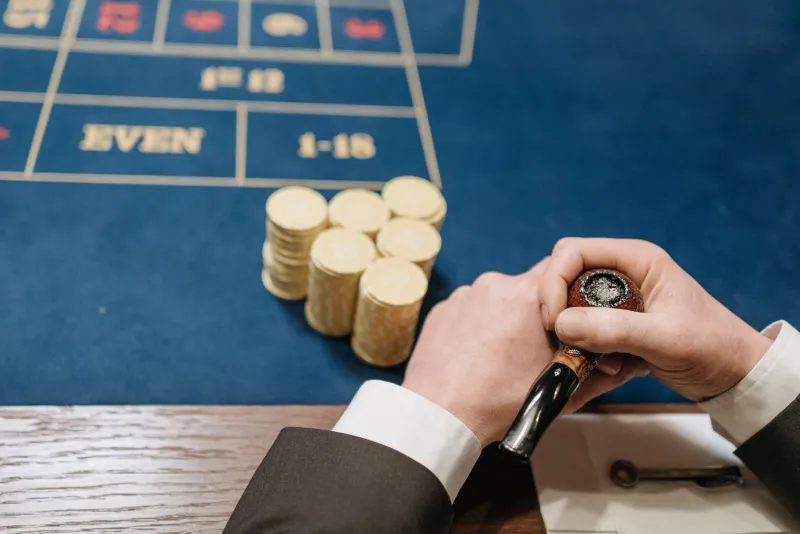
The Golden Handcuffs: How VIP Casino Programs Are Engineered to Empty Your Wallet Faster

There's a moment every casino player knows. You get the email — or maybe a personal phone call from a host — telling you that you've been upgraded. Platinum status. Elite tier. VIP access. Suddenly there's a dedicated concierge, free hotel stays, priority seating at the best tables, and a birthday bonus that feels genuinely thoughtful.
It feels like the casino is finally rewarding your loyalty. And in a narrow sense, it is.
But here's the part nobody puts in the welcome packet: the entire architecture of a VIP program is built around one core goal, and it has nothing to do with your comfort. It's about increasing the speed and size of your losses — politely, pleasantly, and with a complimentary glass of something expensive in your hand.
What a VIP Program Actually Measures
Before we get into the psychology, it helps to understand how casinos decide who gets upgraded in the first place. The metric almost universally used is something called average daily theoretical loss, or ADT. It's not based on how much you win or lose on any given night. It's a formula that combines your average bet size, the house edge of the games you play, and how many hours you spend at the tables or machines.
In plain English: the more you bet, the longer you play, and the worse the odds of your preferred game, the faster you climb the VIP ladder.
That's not a coincidence. It's a design feature.
Casinos aren't rewarding loyalty. They're rewarding profitability — specifically, your profitability to them. The moment you understand that, the whole glossy VIP experience starts to look a little different.
The Perks That Pull You Deeper In
Here's where behavioral economics gets genuinely fascinating — and a little uncomfortable.
Casino VIP programs are masterclasses in what psychologists call sunk cost escalation and status preservation bias. Once you've reached a certain tier, you'll do a surprising amount of irrational things just to keep it. Miss a month of play? You might drop back to standard. And suddenly, that free hotel room you haven't even used starts feeling like something worth protecting.
The perks themselves are also strategically chosen to keep you physically present inside the casino ecosystem longer:
- Free hotel stays eliminate the natural exit point of going home.
- Dining credits are redeemed on-property, keeping you steps away from the floor.
- Dedicated hosts create a personal relationship that makes it socially awkward to leave early or bet small.
- Exclusive tournament invites manufacture urgency and competition that ratchets up bet sizes.
- Birthday and anniversary bonuses come with playthrough requirements that guarantee a certain volume of wagering before you see a dime.
None of these perks are inherently evil. But they're not neutral either. Each one is a gentle nudge back toward the action.
The Personal Touch Is the Most Expensive Perk of All
If you've ever had a casino host, you know how weirdly effective that relationship can be. They remember your favorite game. They know how you take your coffee. They check in when you haven't visited in a while.
This isn't just good customer service — it's a retention strategy with a measurable ROI for the casino. Research into high-roller behavior consistently shows that players with dedicated hosts bet more per session and visit more frequently than comparable players without one. The human connection creates a sense of obligation that no automated loyalty program can replicate.
And here's the subtle trap: when your host calls to offer you a comp weekend, saying yes feels like accepting a gift from a friend. Saying no feels like letting someone down. That emotional friction is worth real money to the casino.
Status Psychology: The Tier Trap
American consumer culture is deeply wired to respond to status signals — airline elite status, credit card tiers, membership levels. Casinos exploit this beautifully. The moment you earn a tier name (Diamond, Prestige, Elite, whatever the branding calls it), you've been given an identity to protect.
Studies in behavioral economics show that people work significantly harder to avoid losing a status they've achieved than they would to gain that same status from scratch. Casinos know this. Tier expiration windows, point decay systems, and "you're X points away from keeping your status" notifications are all engineered to trigger loss-aversion responses that translate directly into more play.
The result? Players who might otherwise take a month off keep showing up — and betting at higher levels — just to maintain a tier that, when you do the math, might be costing them far more than the perks are worth.
A Practical Checklist: Is Your VIP Status Actually Helping You?
Before you chase another tier upgrade or accept your next comp offer, run through these questions honestly:
1. What did I actually spend to earn this perk? Calculate your estimated losses over the period that generated the comp. Compare that number to the dollar value of the perk. If you lost $800 to earn a $150 hotel room, the math isn't in your favor.
2. Is this perk changing my behavior? Are you visiting more often, staying longer, or betting bigger than you would without the program? If yes, the program is working exactly as intended — for the casino.
3. Am I playing games I wouldn't otherwise choose? Some VIP structures reward points faster on high-house-edge games. If your tier is pulling you away from better-odds games, that's a real cost.
4. Does my host contact feel like pressure? A good host relationship should feel genuinely optional. If you feel guilty skipping a visit or uncomfortable betting your normal amount, that's a sign the relationship dynamic has drifted somewhere unhealthy.
5. Would I make this trip without the comp? If the honest answer is no, ask yourself whether the comp is genuinely saving you money or just giving you permission to spend money you wouldn't otherwise have spent.
6. Am I protecting my tier at the expense of my budget? This is the big one. If you've ever extended a session or made an extra trip specifically to avoid dropping a tier level, you've crossed from "using the program" into "being used by the program."
Playing It Smarter
None of this means you should ignore VIP programs entirely. Comps and perks can absolutely deliver real value — but only when they're layered on top of play you were already planning to do at stakes you were already comfortable with.
The move is to treat VIP benefits like a cashback card: something that gives you a small return on spending you'd have done anyway, not a reason to spend more. Grab the free breakfast. Enjoy the room upgrade. Just don't let the golden handcuffs quietly set your bet sizing for you.
At Cocoa Casino, we're always rooting for you to walk away ahead — or at least not too far behind. And that starts with seeing the full picture, velvet rope and all.