Why the Comfy Chair Is the Most Expensive Seat in the Casino
Let's talk about something that doesn't get nearly enough airtime in gambling conversations: the moment you stop feeling like you're in a casino.
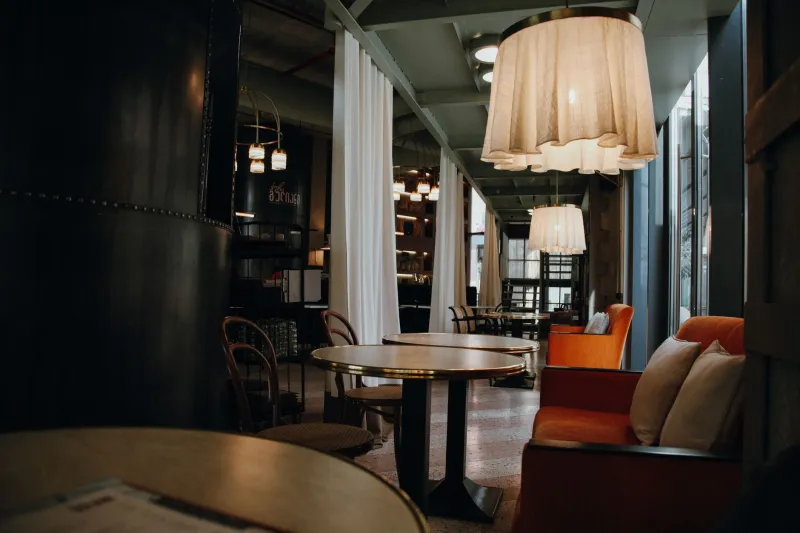
You know the feeling. You've settled into a plush seat near the slots. There's a warm drink in your hand. The lighting is soft, the music is low, and the whole place feels less like a high-stakes gambling floor and more like a really nice hotel lounge. Your shoulders drop. Your breathing slows. You think, I've got this.
That feeling? That's not an accident. And it might be the most expensive sensation in American gaming.
The Architecture of Ease
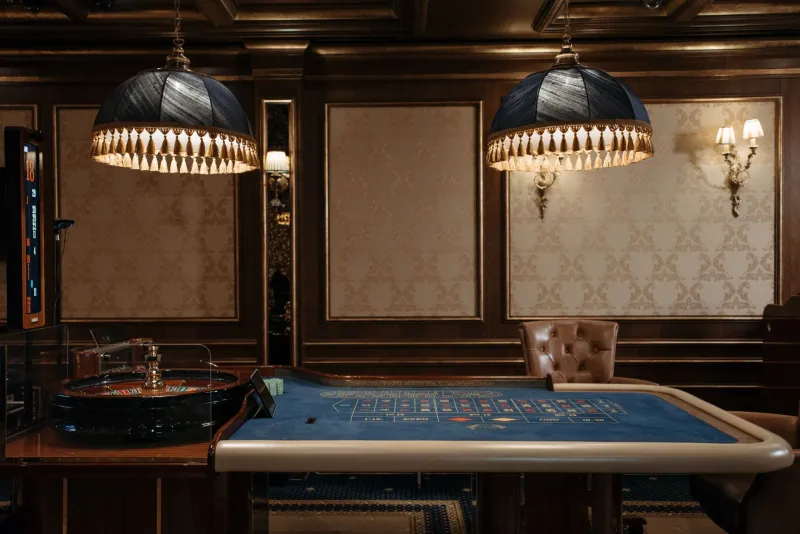
Modern casinos — especially the resort-style properties that have exploded across Las Vegas, Atlantic City, and tribal gaming destinations from Connecticut to California — have invested heavily in what designers call "comfort architecture." The idea is straightforward: the more at-home a player feels, the longer they stay. And the longer they stay, the more they spend.
This goes way beyond cushy chairs. Think about the full sensory picture. Coffee bars positioned just steps from the gaming floor. Player lounges stocked with snacks and charging stations. Ambient lighting tuned to mimic mid-afternoon regardless of the actual time. Temperature control so precise that you never feel the need to step outside. Some properties even pipe in subtle scents — warm vanilla, light cedar — that research has linked to feelings of safety and familiarity.
Each element is deliberate. Casino design firms employ environmental psychologists specifically to answer one question: How do we make leaving feel like the strange choice?
Your Brain on Comfort
Here's where the neuroscience gets uncomfortable. When your brain registers a familiar, safe environment, it dials back activity in the prefrontal cortex — the region responsible for risk assessment and impulse control. This isn't a metaphor. It's a measurable neurological shift.
Studies on what researchers call "comfort-based loss tolerance" have found that people in relaxed, familiar-feeling environments consistently set looser mental spending limits than they do in environments that feel foreign or high-pressure. In plain terms: when you're cozy, you're more likely to tell yourself one more hand or just another twenty bucks in ways you simply wouldn't if you were on edge.
Casinos understand this deeply. The goal isn't to pressure you into spending more. It's to relax you into it. There's a significant difference, and the second approach is far more effective — and far harder to notice from the inside.
The Ritual Trap
One of the more subtle mechanisms at play is what behavioral economists call "comfort rituals" — small, repeated behaviors that signal to your brain that you're in a safe, controlled situation. Getting your free players' club coffee. Finding your usual machine. Chatting with a familiar dealer. These micro-routines are powerful psychological anchors.
Casinos actively cultivate them. Free beverages for cardholders aren't just a perk — they're a ritual trigger. The moment you pick up that complimentary drink, your brain files the entire experience under "familiar and safe." That filing has a direct impact on how you evaluate risk for the rest of the session.
The ritual also creates a sense of reciprocity. You got something for free. Now, unconsciously, you feel slightly obligated to stick around and "give back" through continued play. It's a psychological loop that costs casinos very little and earns them quite a lot.
Warning Signs You're in the Comfort Zone Trap
The good news is that once you know what to look for, these cues become a lot easier to clock in real time. Here are the specific red flags worth watching:
You've stopped tracking time. Casinos famously remove clocks and natural light, but comfort environments double down on this by making the passage of time feel irrelevant. If you genuinely don't know how long you've been playing, that's a signal — not a coincidence.
Your session "budget" has expanded without a conscious decision. You planned to play $60. You're now at $120 and don't remember making a deliberate choice to extend. That's comfort-based loss tolerance in action.
You feel weirdly reluctant to leave despite being down. This isn't just the sunk cost fallacy at work. When an environment feels safe and familiar, leaving it triggers a mild stress response. Your brain interprets departure as loss even when staying is the real financial danger.
You're using casino amenities as session breaks instead of actual breaks. Grabbing a coffee at the lobby bar, then heading straight back to the floor, isn't a reset — it's a ritual reinforcement. Real breaks involve stepping outside, checking your phone without casino noise in the background, and honestly evaluating where your bankroll stands.
The staff knows your name and your usual order. This sounds harmless — even flattering. But personalized service is one of the most effective comfort-anchoring tools in the casino playbook. The moment a place feels like your place, your spending behavior shifts accordingly.
How to Reclaim Your Betting Boundaries
None of this means you can't enjoy the amenities. A good player lounge is genuinely pleasant. Free coffee is still free coffee. The point isn't to be paranoid — it's to be deliberate.
A few practical adjustments that actually work:
Set your session limit before you enter the comfort zone. Don't wait until you're seated and relaxed to decide how much you're willing to lose. Make that call in the parking lot, before the ambient lighting and the warm smells do their job.
Use a physical timer, not a mental one. Set an alarm on your phone for your intended session length. When it goes off, stand up and walk outside before deciding whether to continue. Physical movement and outside air are remarkably effective at resetting comfort-clouded judgment.
Treat amenities as exits, not extensions. If you find yourself heading to the coffee bar or the lounge, use that as an opportunity to genuinely evaluate your session — not just refuel and return.
Pick unfamiliar machines occasionally. This sounds counterintuitive, but deliberately breaking your own comfort rituals keeps your risk-assessment brain more engaged. Novelty activates the prefrontal cortex in ways that routine suppresses.
The Bottom Line
Casinos have spent decades and billions of dollars learning exactly how to make you feel at home. That's not inherently sinister — but it is something every player should understand clearly before they sit down.
The comfiest seat on the floor isn't a gift. It's a strategy. And knowing that is the first step toward making sure the cozy atmosphere works for your experience rather than against your bankroll.
Play smart, stay aware, and maybe — just maybe — let someone else have the plush chair by the slot machines.