Wired for Indulgence: The Neuroscience Behind Chocolate Casino Branding and What It's Doing to Your Wallet

Let's be real for a second. When you log into a casino site draped in rich browns, gold foil textures, and names like "Velvet Truffle Jackpot" or "Dark Cocoa Spins," your first instinct probably isn't to think, I'm being psychologically managed right now. And that's exactly the point.
Chocolate-themed casino branding has exploded across the US market over the last few years, and it's not just a design trend. It's a calculated strategy rooted in actual neuroscience — one that's quietly priming your brain to spend more, stay longer, and feel better about losing. Here at Cocoa Casino, we love a good cocoa aesthetic as much as anyone. But we also believe you deserve to understand what's happening under the hood.
Why Your Brain Treats Chocolate and Gambling the Same Way
Here's the uncomfortable truth: your brain doesn't draw a clean line between eating a piece of dark chocolate and hitting a small slot win. Both experiences trigger a release of dopamine — the neurotransmitter associated with pleasure, anticipation, and reward-seeking behavior.
Research from the National Institute on Drug Abuse has long established that gambling activates the brain's mesolimbic dopamine system, the same pathway fired up by food, sex, and yes, sugar. When casinos layer chocolate-themed visuals, warm amber color palettes, and dessert-inspired sound design onto their platforms, they're essentially stacking dopamine triggers on top of each other. You're not just reacting to a potential win — you're reacting to an entire sensory environment engineered to feel rewarding before a single bet is placed.
Neuropsychologist Dr. Luke Clark at the University of British Columbia has published extensively on how environmental cues in gambling settings intensify reward anticipation. Themed environments, he argues, function like "priming agents" — they put your brain into a receptive, reward-hungry state before the actual gambling even begins. Swap out the generic casino carpet for a chocolate fondue aesthetic, and you've essentially given that priming effect a turbo boost.
The Case Studies: When Branding Gets Specific
This isn't abstract theory. Let's look at how it plays out in practice.
Several major US-facing online casino platforms have rolled out dedicated chocolate and confectionery-branded experiences, particularly around Valentine's Day, Halloween, and the holiday season. These aren't just cosmetic rebrands. They typically involve:
- Themed bonus structures with names like "Truffle Drop Free Spins" that frame losses as gifts
- Warm, amber-toned UI redesigns that research links to feelings of comfort and reduced risk perception
- Dessert-adjacent sound design — think soft, round audio tones that mimic the sensory satisfaction of biting into something rich
- Scarcity language wrapped in indulgence framing — "Limited Batch Bonus" reads like an artisan chocolate release, not a wagering requirement
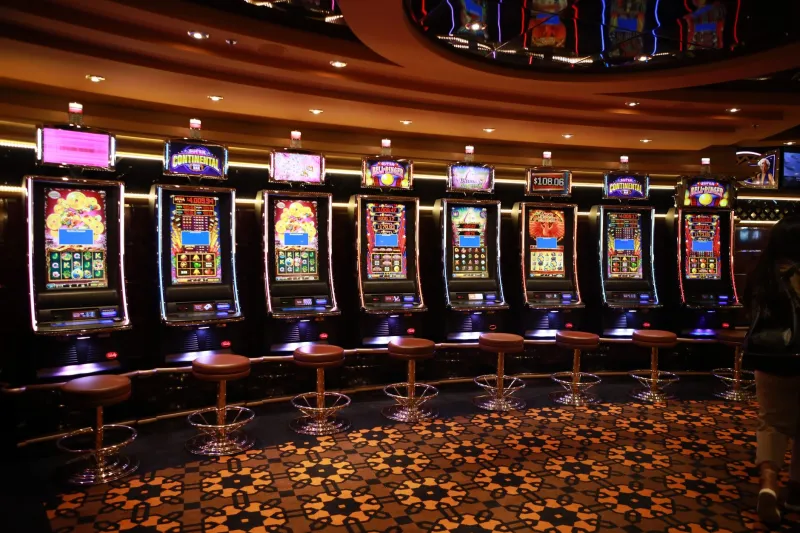
One regional casino resort in the Midwest launched a full "Chocolate Factory" gaming floor concept, complete with cocoa-scented air diffusers, a chocolate fountain near the high-limit slots, and staff uniforms styled after candy shop workers. Player tracking data from that property reportedly showed longer average session times compared to their standard floor — though the casino attributed this to "enhanced guest experience" rather than anything more calculated.
Coincidence? Possibly. But neuroscientists who study environmental design in gambling spaces would likely raise an eyebrow.
The Comfort Trap: How Indulgent Themes Lower Your Financial Guard
Here's where it gets particularly relevant to your bankroll. Feelings of comfort and pleasure don't just make gambling more enjoyable — they actively impair financial decision-making.
A study published in the Journal of Behavioral Decision Making found that positive mood induction (making subjects feel good before a financial task) consistently led to riskier financial choices and reduced sensitivity to loss. When a casino environment is engineered to make you feel cozy, indulged, and rewarded just for being there, you're functionally being nudged into a headspace where your usual money instincts go soft.
Think about it this way: you wouldn't negotiate a car price right after eating a really satisfying meal, would you? The same logic applies at the chocolate-branded slot machine. The environment is doing quiet work on your decision-making before you've even touched the spin button.
Practical Techniques to Protect Your Head (and Your Bankroll)
None of this means you can't enjoy a beautifully designed casino experience. It just means going in with your eyes open. Here are some concrete mental tools that actually work:
Name what's happening. Sounds almost too simple, but cognitive research consistently shows that labeling an emotional or psychological state reduces its influence on behavior. When you notice the warm lighting, the dessert-themed animations, the "treat yourself" bonus language — say it out loud (or in your head): This is designed to make me feel good so I spend more. That single act of labeling interrupts the automatic response.
Set your session budget before you enter the vibe. Don't wait until you're already immersed in the themed environment to decide how much you're willing to lose. Dopamine priming makes you more optimistic about outcomes. Make your financial decisions in a neutral mental state — before you log in, before you sit down, before the chocolate aesthetic has done its job.
Use the "boring casino" mental test. Before extending a session or making a larger bet, ask yourself: Would I make this same decision if I were sitting at a plain, fluorescent-lit terminal with zero theming? If the answer is no, the environment is influencing you more than the actual odds are.
Track sessions in plain numbers, not feelings. Keep a simple note — even just in your phone — of what you brought in, what you left with, and how long you played. Themed environments are very good at making losses feel like part of the entertainment rather than actual financial outcomes. Cold numbers counteract that framing.
Take deliberate breaks outside the aesthetic. Step away from the screen, the sounds, and the visuals for five minutes. Grab a glass of water (not the complimentary cocoa). Dopamine spikes are temporary — a short break can genuinely reset your risk tolerance to something closer to baseline.
The Bottom Line
Casinos are businesses, and good businesses understand their customers' psychology. There's nothing inherently sinister about a chocolate theme — and honestly, some of these branded experiences are genuinely fun and well-crafted. But "fun" and "financially neutral" are not the same thing, and the gap between them is precisely where the house earns its edge.
The players who come out ahead — or at least come out without regret — are the ones who enjoy the experience without being captured by it. Understanding that your brain is being deliberately engaged by these environments isn't paranoia. It's just smart gambling.
Know the game. Know the design. Play on your terms.