Dressed to Lose: How Premium Casino Branding Tricks You Into Ignoring the House Edge
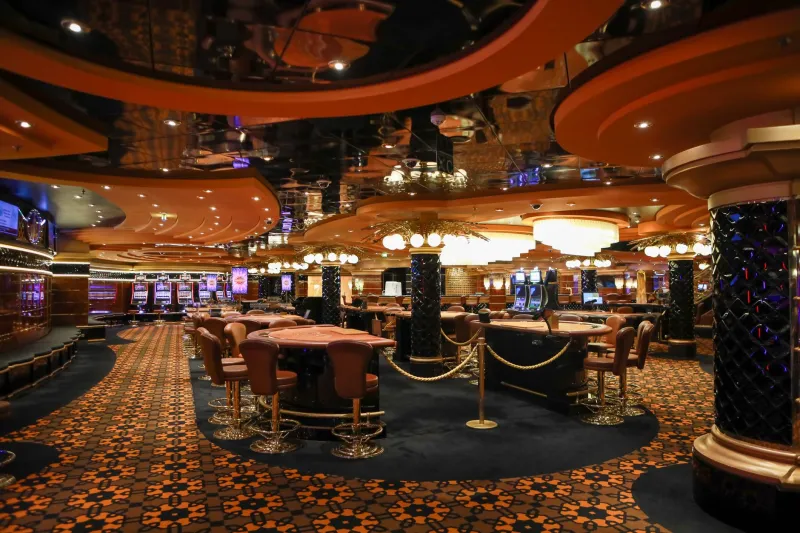
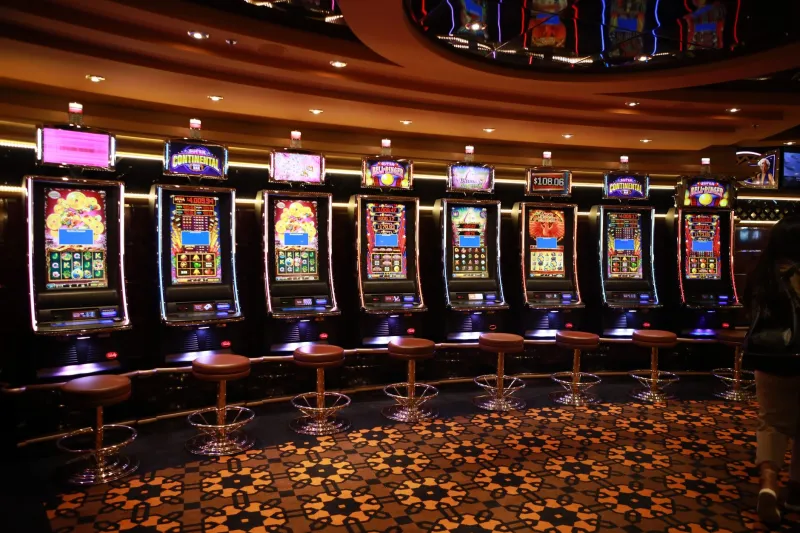
There's a particular feeling that hits when you walk into a luxury casino — or fire up a premium-branded online platform dressed in dark gold and velvet textures. It feels less like gambling and more like arriving somewhere. The marble, the monograms, the carefully curated font on the loading screen. It all whispers the same thing: this place is different.
Spoiler: it isn't. The house edge on a roulette wheel at a five-star resort is identical to the one at your local card room. The slot RTP at a glossy, chocolate-toned online casino is governed by the same math as a no-frills competitor. But here's the uncomfortable truth — luxury branding is remarkably effective at convincing your brain otherwise. And that belief, however irrational, costs real money.
What Luxury Branding Actually Sells You
High-end casino marketing doesn't sell better odds. It sells a story about who you are when you play there.
Psychologists call this aspirational identity — the gap between who you currently are and who you imagine yourself to be. Premium brands exploit that gap expertly. When a casino wraps itself in the visual language of exclusivity (think: dark color palettes, serif typography, gold accents, member-only language), it's not describing the product. It's describing you — or at least the version of you that plays there.
This matters because once you've bought into that identity, your decision-making shifts. You're no longer a person calculating expected value on a blackjack hand. You're a discerning player at a premium establishment, and discerning players don't nickel-and-dime the experience. They tip generously. They upgrade to the high-limit tables. They stay longer because leaving early feels inconsistent with the persona they've adopted.
The branding has essentially reframed gambling from a mathematical transaction into a lifestyle choice — and lifestyle choices are notoriously resistant to cold logic.
The Velvet Rope Effect in Online Casinos
This isn't just a brick-and-mortar phenomenon. Online platforms have mastered the velvet rope effect in digital form.
Consider how many online casinos now use tiered membership language straight out of a luxury hotel playbook. Words like elite, prestige, reserve, and platinum are plastered across loyalty dashboards. The visual design often mirrors high-end confectionery or spirits branding — rich browns, burnished golds, and indulgent textures that feel premium before you've placed a single bet.
The effect is measurable. A 2019 study published in the Journal of Consumer Psychology found that consumers in environments coded as "luxury" were willing to accept worse terms on financial transactions because the setting implied trustworthiness and quality. Apply that to a casino context, and you've got players who are less likely to scrutinize payout percentages, bonus wagering requirements, or table limits — because the vibe has already convinced them they're in good hands.
That's a very expensive feeling to rent.
Case Study: The High-Limit Room Illusion
Let's get specific. High-limit rooms at major US casino resorts — places like the ones on the Las Vegas Strip or in Atlantic City — are a masterclass in manufactured exclusivity. Separated from the main floor by frosted glass or heavy curtains, staffed by dedicated hosts, stocked with better liquor and quieter surroundings, these rooms signal prestige at every turn.
What they don't signal: the games inside are often worse for the player, not better.
High-limit slots frequently run lower RTPs than their standard-floor counterparts. Certain table game variants exclusive to premium rooms carry rule modifications — like blackjack that pays 6:5 instead of 3:2 — that quietly double the house edge. The assumption that premium environment equals premium terms is one of the most expensive cognitive shortcuts a gambler can make.
And yet it persists, because the branding works. Players in high-limit rooms consistently report feeling more confident in their chances, according to multiple behavioral economics surveys. The environment tells them they've earned their way into better odds. The math tells a different story.
Why "Cocoa Casino" Is a Useful Lens Here
At Cocoa Casino, we think about this stuff a lot — partly because our own name sits right at the intersection of indulgence and gaming. Chocolate branding, like luxury casino branding, trades on warmth, pleasure, and the sense that you're treating yourself to something special. That's not inherently manipulative. But it becomes a problem the moment the emotional framing starts overriding your financial judgment.
The question worth asking every time you sit down to play — whether it's at a glitzy Strip resort or a richly themed online platform — is simple: am I making this bet because it's a reasonable one, or because this place makes me feel like a winner before the cards are dealt?
That distinction is where bankroll management either holds or falls apart.
Practical Ways to See Through the Shine
Luxury branding is powerful, but it's not invincible. A few habits can help you engage with premium casino environments without letting the aesthetics hijack your decision-making:
Check the actual numbers before you play. RTP data for online slots is almost always publicly available. Table game rules — payout ratios, number of decks, dealer rules on soft 17 — are worth confirming before you sit down, regardless of how nice the chairs are.
Set your session budget before the atmosphere gets to you. Decide on your loss limit before you log in or walk through the door, when you're still thinking clearly. The velvet rope effect kicks in hardest once you're inside the experience.
Notice when you're playing the persona, not the game. If you find yourself making larger bets because it "fits the vibe" or because you don't want to look out of place at a high-limit table, that's the branding talking. Walk yourself back to the math.
Compare terms across platforms. If a premium-branded online casino is offering a welcome bonus with 40x wagering requirements while a plainer competitor offers 20x, the fancy logo is costing you real money. Branding doesn't change math — but it can make you forget to look.
The Bottom Line
Luxury casino branding is one of the most sophisticated bankroll threats out there, precisely because it doesn't feel like a threat. It feels like an upgrade. It feels like you've found a better class of gaming.
But the house edge doesn't care about the thread count on the table felt. The RNG in a beautifully designed slot doesn't reward players who appreciate good typography. The math is the math, no matter how good the branding makes you feel about playing it.
Enjoy the experience — there's nothing wrong with appreciating a well-designed casino environment. Just don't let the aesthetics write checks your bankroll can't cash.